


RSRV & MTRGV Roots Vacuum Pump | Municipal Pneumatic Waste Collection | SHANGU MingTian

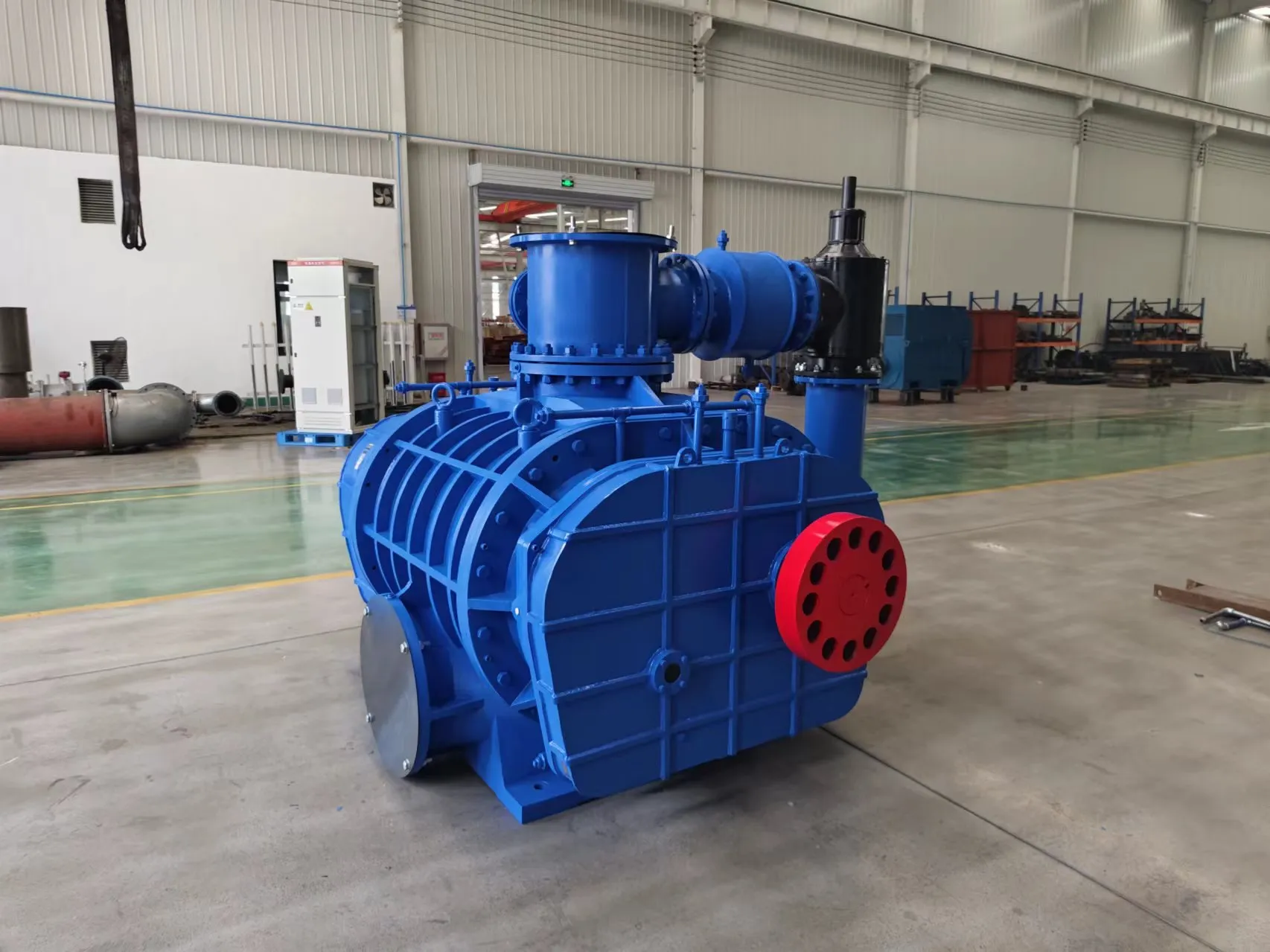
SHANGU® RSRV / MTRGV Series Roots Vacuum Pumps for Municipal Pneumatic Waste‑Collection System

Product Overview
Pneumatic waste‑collection systems adopt vacuum negative‑pressure technology to transport domestic waste from residential buildings, commercial complexes and industrial parks via underground pipelines to a central waste‑collection station. It delivers fully‑enclosed, odour‑free waste transfer, eliminating waste accumulation, odour emission and mosquito breeding.
SHANGU® RSRV and MTRGV negative‑pressure roots vacuum pumps, manufactured by Shandong Mingtian Machinery Group, are purpose‑built positive‑displacement vacuum equipment dedicated for municipal waste‑collection service. Benefiting from positive‑displacement design characteristics, the effective pumping speed will not drop sharply under fluctuating pipeline resistance.
These roots vacuum pumps are well‑adapted for multi‑inlet feeding, long underground pipeline layouts and intake gas mixed with fine dust, fibre and moisture. Widely deployed for urban residential communities, commercial complexes, industrial parks, hospital enclosed waste collection, landfill biogas extraction and workshop centralized dust‑collection.
Rare Practical Field Know‑how (Seldom Published Online)
- All catalogue vacuum performance data are measured under standard suction condition (20 °C, 101.3 kPa, RH 65 %). The intake gas of waste‑collection projects contains moisture and fine domestic‑waste dust. Do NOT directly apply clean‑air catalogue parameters; medium‑condition correction is mandatory. Add an 8‑12 % pumping‑speed margin for every 1000 m elevation rise; ultimate vacuum will degrade at high‑altitude sites.
- Critical selection pitfall for waste vacuum systems: do not only compare ultimate vacuum value; prioritize effective pumping speed. Many projects only focus on ultimate vacuum index while ignoring pipeline friction loss, elbow loss and filter pressure drop. Actual working vacuum is far higher than catalogue ultimate vacuum. Insufficient pumping capacity results in weak suction at waste drop‑in ports and frequent pipeline blockages. Total system negative‑pressure = pipe resistance + elbow loss + filter resistance, plus a 10‑15 % process margin.
- Inlet gas carries fine fibre and dust. A single‑stage filter cannot provide adequate protection. Pretreatment with a cyclone separator plus multi‑stage coarse filter is required. Otherwise fibres will wind around rotors, enlarge internal clearances, cause pumping‑speed decay and generate abnormal operating noise.
- Vacuum‑system backflow risk is higher than positive‑pressure blowers. A check‑valve alone cannot guarantee system safety. A vacuum‑breaking valve and vent interlock assembly must be fitted to prevent dust‑water backflow into pump casing during shutdown or power failure.
- Excessive safety margin is not recommended. If pumping‑speed / vacuum margin exceeds 30 %, the unit operates outside its high‑efficiency working zone, leading to over 20 % extra power consumption. Reasonable process margin shall be controlled within 10‑15 %.
Applicable Industry Standards
- JB/T 8941.1‑2014: Roots type blowers for general purpose — Part 1: Specification
- JB/T 8941.2‑2014: Roots type blowers for general purpose — Part 2: Performance test method
- JB/T 7674‑2017: Roots vacuum pumps (Chinese industry standard defining vacuum degree, pressure‑difference and continuous‑running requirements for roots vacuum pumps)
- GB/T 40344.2‑2021: Vacuum technology — Standard methods for measuring vacuum‑pump performance — Part 2: Positive‑displacement vacuum pumps, IDT identical adoption of ISO 21360‑2:2020
- GB 3836 series: Standard for explosive atmospheres, MOD adoption of IEC 60079, for biogas / combustible‑dust hazardous‑zone applications
- GB/T 2888‑2008: Method of noise measurement for fans and roots blowers
Standard Equivalence Note
- JB/T 8941.1‑2014 is MOD (Modified Adoption) of ISO 1217:2009 Displacement compressors — Acceptance tests, not identical adoption. Overseas ISO 1217 lab test reports serve only for reference. Domestic Chinese projects shall carry out equipment acceptance according to JB/T‑series standards.
- GB/T 40344.2‑2021 is IDT (Identical Adoption) of ISO 21360‑2:2020 for vacuum‑pump performance testing. Export‑project vacuum‑performance tests can reference ISO 21360‑2, while mechanical‑structure acceptance must comply with destination‑country local regulations.
- GB 3836 is functionally equivalent to IEC 60079 and EU ATEX 2014/34/EU but not fully identical. Separate ATEX certification is mandatory for EU‑market exports; domestic GB 3836 test reports cannot replace EU ATEX certificates.
Unit Conversion Reference (For Tender & Cross‑border Comparison)
Negative‑pressure (vacuum) conversion:
‑9.8 kPa = ‑0.1 kgf/cm² = ‑1000 mmH₂O = ‑1.422 psi
Pumping‑speed conversion:
1 m³/min = 60 m³/h = 35.71 CFM
Gas‑state conversion:
Standard suction pumping‑speed Qₛ (20 ℃) = Qₙ (0 ℃) × 1.0732
Important remark: Distinguish ultimate vacuum vs actual working vacuum for vacuum‑system projects. Clearly specify pumping‑speed(m³/min / CFM) and working vacuum in inquiry documents to avoid mis‑selection.
Key Buyer Concerns (Explicit Requirements & Hidden Field Pain‑points)
✅ Explicit Requirements
- Effective pumping‑speed & working vacuum matched with total pipeline length, elbow quantity and number of waste drop‑in inlets;
- Noise & vibration performance meeting environmental‑limit requirements for residential and commercial zones;
- Capital‑investment budget and motor‑power constraints;
- PLC‑compatible, VFD‑ready design to adapt load fluctuation during waste‑collection peak / off‑peak hours.
✅ Hidden Field Pain‑points (Production‑loss risk outweighs equipment price gap)
- Dust‑fibre abrasion risk: Waste‑collection intake media contains fibre and fine domestic dust. Insufficient pre‑filtration will cause rotor winding and abrasion, gradual decay of vacuum pumping‑speed and insufficient suction force.
- Reliability for frequent start‑stop & 24/7 intermittent duty: Municipal waste‑collection systems feature frequent start‑stop cycles in daily operation. Large‑pressure‑difference units require enhanced bearing and gear cooling. Unexpected shutdown can paralyse waste‑collection service across the whole district.
- Vacuum‑shutdown backflow protection: Dust‑water backflow from dust‑collector tank can severely damage rotors upon power‑off or shutdown. Vacuum‑breaking valve, vent interlock and check‑valve must be supplied as a complete package; single‑component installation cannot guarantee safety.
- Total‑lifecycle operation cost: Waste‑collection systems run long daily hours. Evaluate power consumption, filter‑element, seal and bearing spare‑part expenses, instead of focusing merely on initial procurement price. Improper selection creates long‑term excessive power‑cost loss.
- Custom engineering & after‑sales support: Pneumatic waste collection belongs to niche application. Manufacturers shall provide pipeline‑resistance calculation, pre‑separation filter proposal, fast spare‑part delivery and on‑site technical support, preventing waste accumulation caused by system failure.
Core Product Advantages | SHANGU® by Shandong Mingtian Machinery Group
Shandong Mingtian Machinery Group is a national Hi‑Tech Enterprise and national‑level Specialized‑Sophisticated “Little‑Giant”. Two industrial manufacturing parks are equipped with 5‑axis machining centers, high‑speed dynamic‑balancing testers and three‑coordinate measuring instruments. The R&D team includes professor‑level senior engineers, PhD and master specialists, supported by university‑industry‑research joint cooperation. SHANGU® is a well‑known provincial trademark of Shandong Province.
- Stable pumping‑speed under variable vacuum conditions: Tri‑lobe rotors pass G2.5‑grade high‑speed dynamic balancing. Maintain stable effective pumping‑speed under changing pipeline resistance, delivering uniform suction performance for multi‑point waste‑collection inlets.
- Purpose‑built material & customization for waste‑collection service:
- Wear‑resistant option: Tungsten‑carbide spray coating applied on rotors to resist fine‑dust and fibre abrasion;
- Sealing solution: Multi‑stage moisture‑resistant mechanical seals prevent dust‑moisture ingress into gearbox;
- Explosion‑proof package: Exd ⅡBT4 motor plus anti‑static rotor for landfill‑biogas and combustible‑dust hazardous‑zone working conditions.
- Enhanced cooling for large‑pressure‑difference duty: MTRGV heavy‑duty vacuum series adopt reinforced cooling construction for frequent start‑stop and large‑differential‑pressure working scenarios.
- Full‑scope vacuum‑oriented package supply: Cyclone pre‑separator, multi‑stage inlet filter, vacuum‑breaking valve, silencer, anti‑vibration base, flexible expansion joints. Optional VFD cabinet automatically adjusts pumping‑speed according to real‑time waste‑collection load, delivering 18‑30 % energy‑saving.
- Complete factory acceptance testing: Every unit undergoes pumping‑speed, ultimate‑vacuum, noise & vibration tests complying with JB/T 8941, JB/T 7674‑2017, GB/T 40344.2‑2021. Full test‑report documentation is provided for tender submission and export‑project acceptance.
- Full‑process technical service: Pipeline‑resistance & waste‑inlet‑quantity condition calculation; pre‑separation filter‑selection advice; safety‑oriented installation briefing; retrofitting for legacy vacuum‑pump systems; regular‑maintenance guidance.
Application Scenario & Model‑Selection Reference
Selection tips: Reserve 10‑15 % margin for pumping‑speed & vacuum value. Select MTRGV reinforced vacuum series for long‑distance pipelines and large differential pressure. Upgrade explosion‑proof and anti‑corrosion configurations for biogas‑containing corrosive media. 1 operating + 1 standby configuration is recommended for critical municipal waste‑collection stations. Apply pumping‑speed correction for high‑altitude sites.
| Application Scenario | Working‑condition Description | Recommended Model | Pumping Speed(m³/min) | Working Vacuum(kPa) | Motor Power(kW) | Remarks |
|---|---|---|---|---|---|---|
| Small‑size community waste collection (≤15 inlets, pipeline ≤300 m) | Small‑community / industrial‑park waste‑collection station, intermittent duty, short‑to‑medium underground pipeline | RSRV100 | 5‑18 | 30‑45 | 7.5‑30 | Cyclone pre‑separator equipped; VFD optional for peak‑valley load adaptation |
| Medium‑size commercial & residential‑zone waste collection (15‑40 inlets, pipeline 300‑800 m) | Commercial complex & large residential area, multi‑drop‑inlets, numerous elbows, frequent start‑stop cycles | RSRV150A | 18‑35 | 40‑55 | 30‑75 | Reinforced cooling recommended for pressure>45 kPa; pre‑filter protection is critical |
| Large‑scale municipal central waste‑collection station (40‑80 inlets, pipeline 800‑1500 m) | Large‑scale urban district, long underground pipeline, multi‑point concentrated feeding, high‑frequency intermittent duty | MTRGV250 | 35‑60 | 50‑70 | 75‑132 | Reinforced cooling structure; 1‑op‑1‑standby recommended; dust pretreatment is mandatory |
| Large‑park waste collection + landfill biogas extraction | Extra‑large‑district pneumatic waste conveying plus landfill biogas vacuum suction; medium contains trace corrosive gas | MTRGV300 | 60‑105 | 55‑80 | 90‑160 | Heavy‑duty vacuum unit; anti‑corrosion & explosion‑proof upgrade required for H₂S‑bearing media; site survey & pipeline‑resistance calculation required |
| Auxiliary service: workshop dust‑collecting & small‑scale vacuum feeding | Large pumping‑speed under relatively low‑vacuum condition; dust‑cleaning and auxiliary vacuum feeding | RSRV175A~RSRV200 | 15‑48 | 20‑35 | 22‑90 | Optimized for large pumping‑speed; match high‑precision filter‑element set |
Model Explanation
- RSRV Series: General‑purpose tri‑lobe roots vacuum pump (belt / coupling drive), for medium‑short‑distance waste‑collection, medium‑low / medium‑vacuum duty.
- MTRGV Series: Mingtian heavy‑duty reinforced‑cooling roots vacuum pump, designed for long‑distance pipeline, multi‑point large‑differential‑pressure municipal pneumatic waste‑collection projects.
Installation & Maintenance Guidelines
- Never transfer pipeline weight onto pump flanges. Install flexible expansion joints on both inlet and outlet sides to eliminate pipe stress and isolate vibration transmission.
- For waste‑collection vacuum‑system applications: cyclone separator + multi‑stage filter pretreatment on suction side is mandatory. Clean filter elements periodically to prevent fibre‑dust ingress into pump casing and rotor abrasion.
- Fit vacuum‑breaking valve & vent interlock for vacuum‑system; perform pressure relief upon shutdown to avoid dust‑water backflow damage to main unit.
- Periodically clean cooling‑water‑circuit filter elements for MTRGV large‑differential‑pressure models for scale removal.
- Implement shift‑based inspection items: actual working vacuum, motor running current, bearing temperature and sealing status. Shorten replacement cycles for filter cartridge and sealing components. Inspect rotor abrasion & corrosion during annual shutdown maintenance; proactively replace wearing parts to avoid total waste‑collection‑system breakdown.
Disclaimer: All tabulated parameters serve for general‑reference only. For real‑world projects, please provide quantity of waste drop‑in ports, total pipeline length, elbow quantity, required working vacuum, presence of biogas / corrosive gas, site altitude and inlet‑air temperature. Our technical engineers will deliver condition‑corrected custom proposal.
Inquiry — Please provide below information for customized solution & formal quotation
Kindly send your project parameters, our engineering team will prepare tailor‑made roots‑vacuum‑pump solution and formal commercial quotation:
- Waste‑collection scale: quantity of waste drop‑in feeding ports;
- Pipeline data: total pipeline length, elbow quantity, maximum pipeline distance;
- Required working vacuum & effective pumping‑speed(m³/min or CFM);
- Medium property: ordinary domestic‑waste dust, or contains landfill biogas / corrosive gas;
- Operation mode: intermittent / frequent start‑stop / continuous‑running;
- Special requirement: VFD / explosion‑proof grade / standby unit / pre‑separator filter‑package requirement;
- Power‑supply standard (voltage & frequency);
- Site‑ambient condition: altitude, average ambient temperature;
- Any other site‑specific technical or safety requirements.
Contact Us
- 📞 Phone / WhatsApp: +8618753163090
- 📧 Email: [email protected] | [email protected]
- 🌐 Official Website: www.mtrootsblower.com